


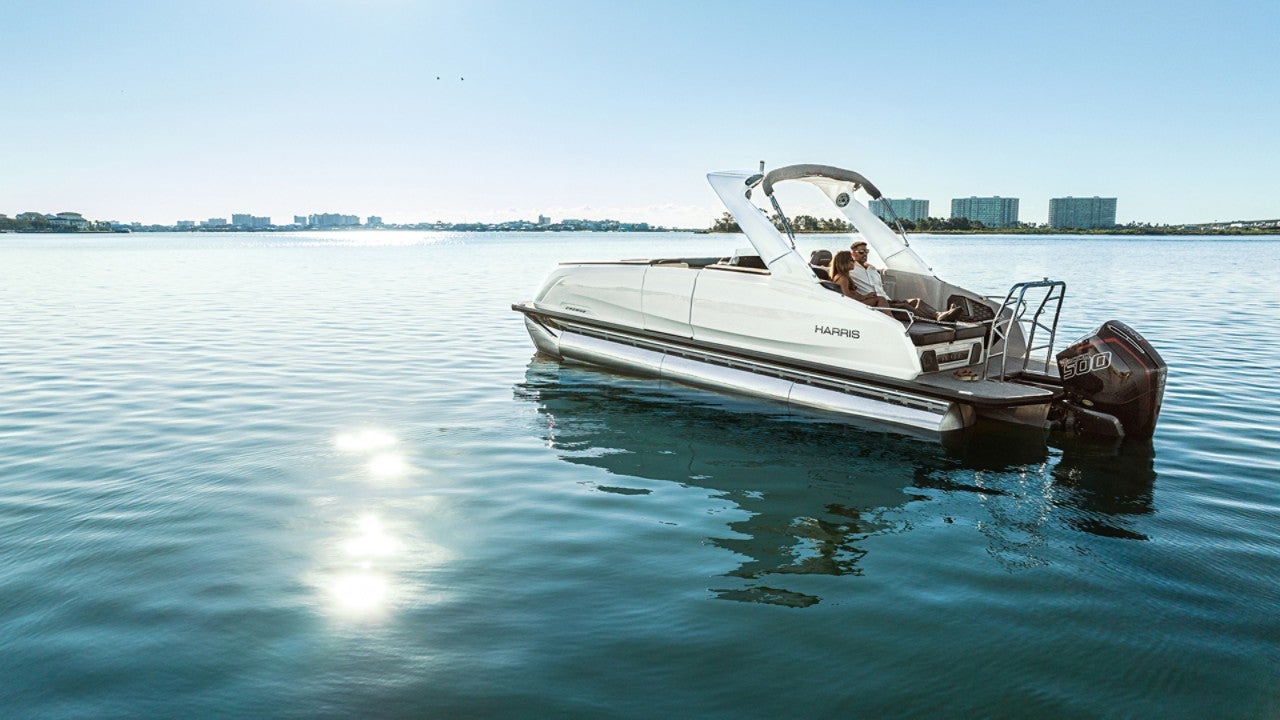
Outboard Motor Maintenance for Your Pontoon
The information provided is for general informational purposes only. This information is based on the author’s personal experience and does not constitute financial or legal advice. You should consult with a professional and/or conduct your own independent research to verify any information in this post prior to making a financial decision or otherwise.
Why Some Engines Stay Sharp—and Others Slowly Drift
Here’s something you see all the time if you hang around marinas long enough:
Two identical boats. Same engine. Same year. Same water.
One fires instantly and runs like it’s dialed in. The other starts fine… but something’s off.
That gap builds quietly—between trips, in the moments no one’s thinking about the engine.
Outboard reliability isn’t about one big decision. It’s about how well you manage the small things that stack up.
Fuel System: It’s Not About Octane—It’s About Stability
Fuel problems don’t show up all at once. They creep in.
Marine engines make that easier than most people realize:
- Vented tanks pull in moisture
- Fuel sits longer
- Ethanol blends (E10) absorb water
Once ethanol takes on enough moisture, you can get phase separation—and now your engine is running on fuel it wasn’t designed for.
You’ll feel it before you see it:
- Slightly rough starts
- Idle that isn’t as clean
- Power that feels inconsistent
What Keeps Fuel Predictable
- Stick with E10 or less
- Add a marine fuel additive every fill-up
- Use a stabilizer if the boat sits
If you want a deeper breakdown of how fuel behaves in real-world marine conditions, Mercury has a solid overview here:
Mercury Marine fuel care basics
The goal isn’t perfect fuel. It’s removing variables before they turn into problems.
Cooling System: Flow Is Everything
Your engine lives or dies on water flow.
Not pressure. Not volume. Consistent, unobstructed flow through tight internal passages.
What’s Moving Through There
Every run pulls in:
- Minerals
- Sediment
- Organic debris
It doesn’t take much buildup to start reducing cooling efficiency.
Why Flushing Matters
Flushing isn’t just rinsing—it’s resetting the system:
- Clears particles before they settle
- Prevents salt crystallization
- Keeps thermal performance consistent
Skip it occasionally, fine. Skip it regularly, and you’re slowly closing the margin your engine relies on.
Cleaning & Protection: Where Most People Stop Too Early
Most people rinse and call it done.
That’s the point where things still look good—but aren’t protected.
What You’re Up Against
Even sitting still, your engine is dealing with:
- UV exposure
- Moisture
- Residual salt and minerals
What Proper Cleaning Actually Does
Marine-specific products aren’t about shine—they’re about protection:
- Break down salt and deposits at a chemical level
- Slow oxidation on exposed metals
- Condition rubber and plastic components
- Leave a light barrier that slows future buildup
Mercury actually recommends cleaning the cowl before covering it, using products like their All-In-One Spotless Shine to remove residue that could cause long-term wear.
If you want to see the types of products designed for this kind of upkeep:
Mercury engine care & cleaning products
This is one of those areas where a little effort now quietly prevents bigger issues later.
Storage & Covers: Most Wear Happens When You’re Not There
This is the part people underestimate.
Engines don’t wear out all at once—they fade over time, especially when they’re sitting.
What’s Happening During Downtime
- UV slowly breaks down finishes
- Dust and pollen settle into seams
- Moisture lingers longer than it should
- Daily temp swings stress materials
Nothing dramatic. Just constant, low-level wear.
Why a Proper Engine Cover Matters
A good cover isn’t about appearance—it’s about control.
Mercury’s Tow-N-Stow covers, for example, are designed to:
- Use heavy-duty, waterproof but breathable material
- Include a soft-lined interior to protect the finish
- Provide a custom fit to limit exposure during storage and trailering
And it’s not just theory—Mercury specifically calls out that covering your engine during storage and transport helps protect it from sun, debris, and environmental damage over time.
if you want to see how they’re built and what they’re designed to handle:
Mercury Tow‑N‑Stow outboard cover
Think of it as putting a ceiling on how much wear can happen while the engine’s just sitting there.
Service Intervals: Catch It Before It Becomes Your Problem
Even if you’re doing everything right, you’re not seeing everything.
That’s where routine service comes in.
The Rhythm Most Owners Follow
Once a year or ~100 hours
What That Actually Covers
- Engine oil + lower unit gear lube
- Filters and spark plugs
- Water pump + impeller inspection
- Early signs of corrosion or wear
It’s the difference between planned maintenance and unplanned downtime.
If You Boil It Down
Most outboard issues aren’t dramatic failures. They’re slow drift.
Stay on top of:
- Fuel stability
- Cooling flow
- Surface protection
- Storage conditions
- Routine service
Do that, and the engine doesn’t just run—it stays consistent.
And consistency is what you notice every time you turn the key.
Read more: How to Winterize Your Pontoon Boat
This website does not provide financial or legal advice. The information available on this website is provided for general informational and educational purposes only and is not a substitute for professional advice. You should consult with the appropriate professionals prior to making any financial decisions. YOUR USE OR RELIANCE ON ANY OF THE INFORMATION PROVIDED HEREIN IS SOLELY AT YOUR OWN RISK. UNDER NO CIRCUMSTANCE SHALL WE HAVE ANY LIABILITY TO YOU FOR ANY LOSS OR DAMAGE OF ANY KIND INCURRED AS A RESULT OF THE USE OR RELIANCE ON ANY INFORMATION PROVIDED.